Picking Self Storage in Seaburn: What Matters Most
Find Out More →If you're about to pick a self storage provider in Seaburn, you've probably already noticed there aren't loads of options. That's both good and bad — good because it narrows the search, bad because you need to get it right first time. I've watched neighbours and local business owners make storage decisions based on little more than 'it was the cheapest' or 'it was nearby', and not all of them have been happy about it later. So what actually separates a solid storage provider from one that'll leave you frustrated?
Is the location actually convenient?
Convenience matters more than you'd think. You'll be visiting your unit regularly — whether that's monthly or just a handful of times a year — so proximity and access really do count.
When you're weighing up options, ask yourself: can I get there easily from home or work? What are the opening hours, and do they suit me? Some providers have restrictive access times, which sounds fine until you need something on a Saturday afternoon and you're locked out. Also check parking. If the facility is tucked somewhere with limited spaces, you'll end up driving around frustrated before you even get to your unit. You know how rammed things can get around Seaburn when the weather's decent and people head to the beach — the last thing you want is to add storage access headaches on top of that.
Climate and security go hand in hand with location too. Since we're on the coast, Seaburn does face flooding risk during rough weather and high tides. A good provider will have thought about this. Ask directly: how do they handle flood protection? Are units elevated or in flood-risk areas? This isn't paranoia — it's just sensible if you're storing anything that can't handle water damage. Read more about what to check first when evaluating a facility.
What's actually included in the price?
The headline cost is rarely the whole story. You need to know what you're actually paying for and what hidden extras might show up later.
Start by asking: is insurance included, or do you need to arrange your own? What about access fees, administration charges, or price increases? Get a full written breakdown before you commit. Some providers are transparent about this upfront; others bury details in the small print. Don't be shy about asking for clarity — any reputable operator will have this sorted and be happy to explain it.
Also check whether your unit size is flexible. If your needs change — say you need more space in a few months — can you upgrade easily, or are you locked into a rigid contract? This guide on timing your storage booking covers the practicalities of planning storage around your actual schedule, which ties directly into understanding pricing models.
What security measures are actually in place?
You're trusting someone with your belongings. The security setup matters, and it's worth spending time on this one.
At minimum, you want CCTV covering the site, secure locks on individual units, and controlled access. Is there on-site management, or is it unmanned? Can you access your unit 24/7, or only during business hours? Some people need round-the-clock access; others don't. Either way, you should know what you're getting. Ask about staff presence — are there regular patrols? What's the response time if something goes wrong?
Talk to the provider directly about their security protocols. If they're vague or dismissive, that's a warning sign. A professional operation will have thought this through and be able to answer your questions without hesitation.
Is the facility well-maintained?
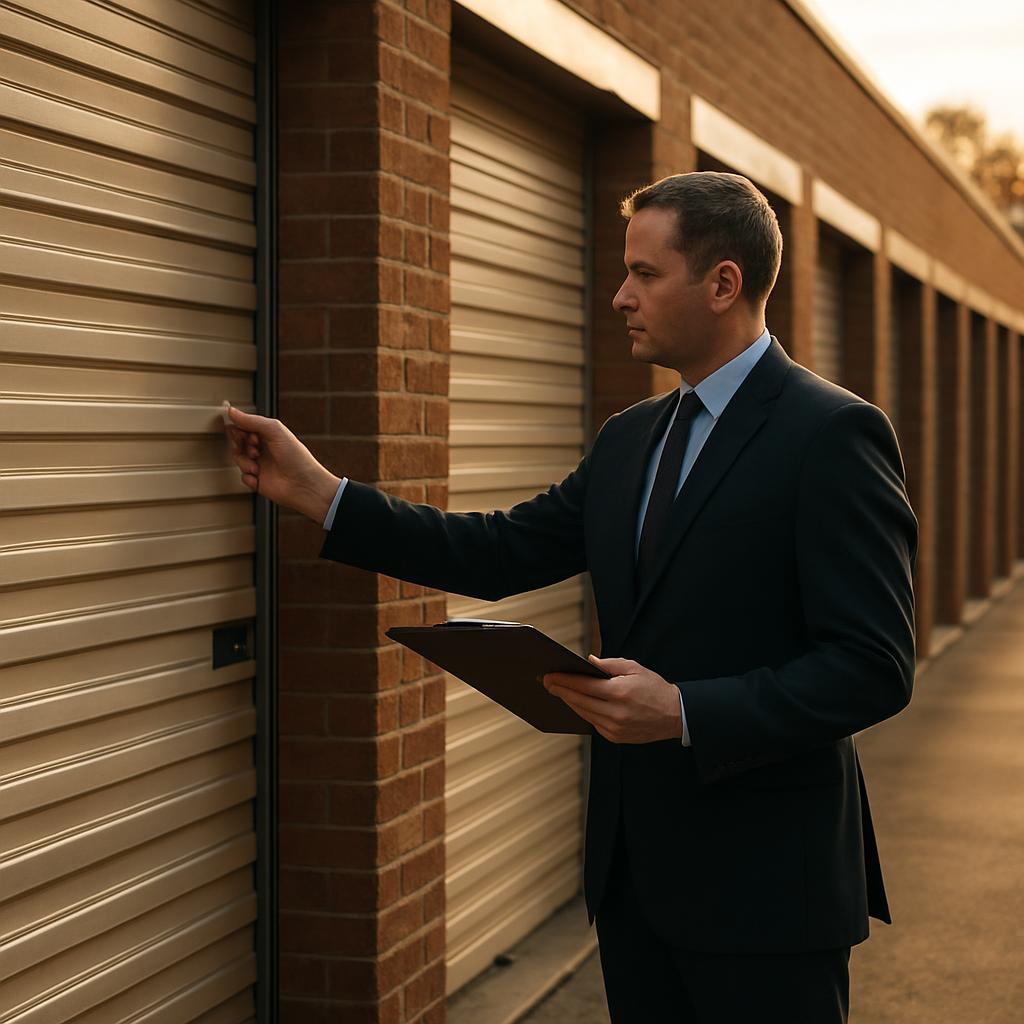
This one's simple: visit the site in person before you sign anything. How does it actually look?
Walk around. Are the corridors clean? Do the unit doors work smoothly? Is there damp or smell? Are other customers' units packed haphazardly, or is there a sense of order? These details matter because a poorly maintained facility suggests the operator isn't paying attention to the details that protect your stuff. If the communal areas are neglected, what about the environmental conditions inside individual units?
Also chat with existing customers if you can — ask how long they've been storing, whether they've had any issues, and whether the provider responds quickly when problems arise. People in the local business community often have real experience with storage providers. Our guide on what local shop owners know about storage gives you a sense of how businesses handle these decisions — the same principles apply to personal storage too.
Red flags to watch for
Avoid anyone who won't give you a written contract. If they're pressuring you to decide on the spot without documentation, walk away. Steer clear of providers who won't commit to specific terms or who are cagey about pricing. And if you can't visit the facility before booking — whether it's because they won't let you or they're pressure-selling online — that's a problem. You're storing your possessions; you have every right to see exactly what you're paying for.
What to do next
You don't need a huge choice to pick well — you just need to ask the right questions and trust your instincts. If a provider feels solid on location, transparent on price, serious about security, and proud of their facilities, they're worth trusting.
At Self Storage Seaburn, we know what actually matters to people in this area because we work with them every day. We're built for Seaburn's real needs — accessible, secure, properly maintained, and honest about what we offer. If you'd like to have a proper look around and ask questions without pressure, get in touch. That's how good storage decisions get made.
Looking for Self Storage near Seaburn?
We have secure, flexible units available in the area. Get in touch with Self Storage Seaburn today.
Find Out More →